
More health data does not automatically create better results. Research—and Steve’s experience preparing to hike with CMT—shows why simple decisions, repeatable assessments, and learning from each response matter more than collecting another score.
Read moreFrom Research to Real Life 01 — Your Lab Results Don’t Show You What Your Body Still Can Do
Lab results and diagnoses matter, but they do not show your complete physical reserve. A 2026 JAMA Network Open study found that better strength, balance and agility, aerobic capacity, flexibility, and combined physical fitness were associated with lower all-cause mortality—and showed why assessment must lead to an individualized plan.
Read moreWhen Your Body Stops Playing by the Rules
After years of unexplained crashes, heat intolerance, exhausting workouts, medical testing, and trying almost everything she could think of, Lauren was beginning to wonder whether she would ever feel like herself again. Her story is about what changed when we stopped looking for one more answer and started connecting the information, her real-life experience, and her body’s response into a plan that could keep adapting with her.
Read moreI GOT THE APPROVAL. NOW COMES THE HARD PART.
Bone loss can remain silent until a fracture takes away mobility, freedom and independence. After years of seeing this affect family, friends and clients, I received final IRB approval to begin testing whether precise, individualized mechanical loading can turn bone-health into something practical for real life.
Read moreTHE PROBLEM IS NOT ALWAYS EFFORT. SOMETIMES IT IS THE PLAN.
Many people who are not progressing are already trying hard. The problem may be a generic or static plan that cannot adjust to their body, goals, schedule or changing life. This is how APLC 2.0 turns useful data, research and personal feedback into practical actions that can adapt in real life.
Read moreWhat Longevity Looks Like When It Matters
Steve’s trip through Spain and Morocco became the real-life test of his training. With CMT, walking, balance, stairs, cobblestones, and long travel days were not small details — they were the trip. This is what happened when months of adaptive, prescription-level training helped turn preparation into freedom.
Read moreApple Watch vs Oura vs Whoop: Which Wearable Actually Fits Your Longevity Plan?
The right wearable is not the one with the most features. It is the one that fits your goals, your lifestyle, your activities, and the way the data will actually be used.
Read moreBridging the Gap: What Current Research Means for Your Longevity Plan
Health and longevity research is becoming more precise, but it only becomes useful when it is translated into the right plan for the person in front of me. This first Bridging the Gap article looks at how current blood-pressure research can be applied in a realistic, measurable way to support long-term health.
Read moreFrom Bill to Steve, and What Comes Next
Bill Kohl helped shape the way I think about training, research, health, and the work I do today. Through Bill, I met Steve, and what started as a personal connection has grown into something that feels like the beginning of a much bigger story.
Read moreWhen Exercise Finally Became His Own
Dylan’s path with exercise did not start with the perfect workout. It started with trust, consistency, listening, and helping the plan fit his life long enough for exercise to become his own.
Read moreWhat My Failed Olympic Bid Taught Me
What I Learned From Athletes Who Didn’t Fit the Plan
Some athletes don’t fit into any plan. Working with them changed how I approach training and problem solving.
Read moreWhen Different Sports Started to Feel the Same
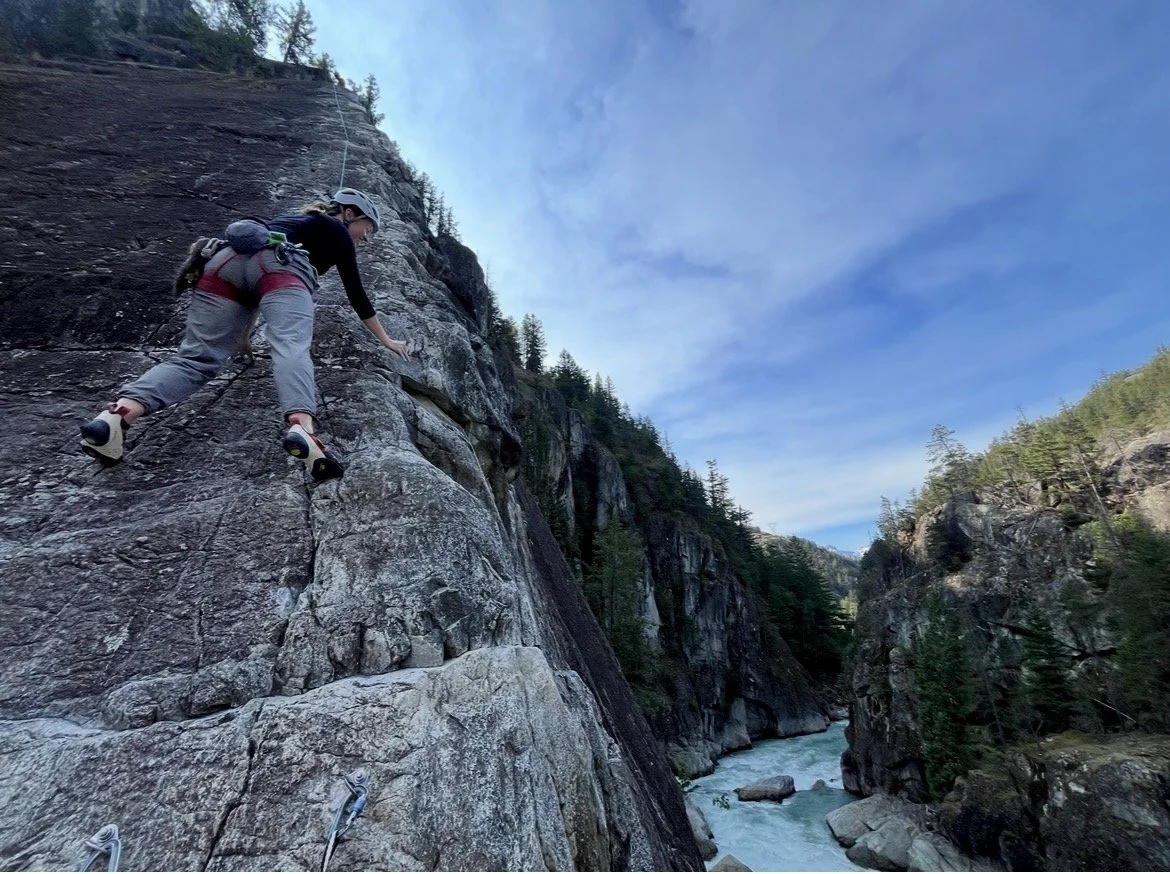
Climbing felt like constant failure at first. Then something shifted. The same pattern started showing up across different sports—what felt like frustration started to feel like part of the process.
Read moreThe Shift Most People Don’t Make
Most people know when to push and when to back off. The problem is actually making that decision in the moment. This is where progress is usually lost.
Read moreFrom Strength to Control
I had strength. I had power. But that didn’t translate on the trail.
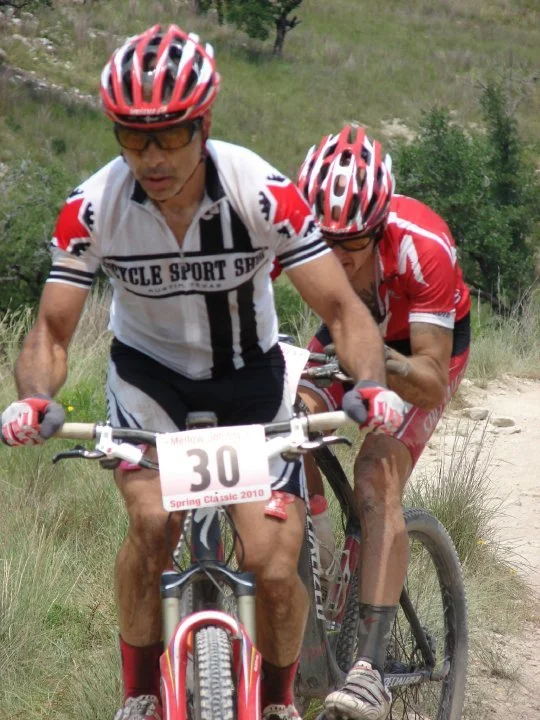
Read moreWhat started as an off-season experiment turned into something much deeper. Mountain biking exposed a gap I hadn’t noticed before—the difference between what made sense in training… and what actually worked in real life.
Planting the Seeds of Longevity
Most training plans don’t fail because they’re poorly written. They fail because life doesn’t follow the plan. This article explores why static programs break down—and what it actually looks like to train with a system that adapts to real life.
Read moreWhat Lathan’s First Week of Adaptive Training Revealed
What can one week of training reveal about the body?
Read moreIn the first week of adaptive training with Lathan, subtle patterns around strength, effort, and recovery already started to appear. These early signals show why rigid training plans often miss what the body is actually telling us.
THE PLATEAU PROBLEM: HOW ONE CLIMBER IS TRYING TO BREAK PAST 12+
Most training plans don’t fail right away; they fail because they can’t adjust when life or fatigue interferes. Lathan is an experienced climber stuck at 12+. This is a look at the bottlenecks we found, the data-driven system we’re using to navigate them, and how we’re building the engine to get him toward 5.14a.
Read moreBeyond Conventional Medicine: The Practical Approach
I spent 18 months in pre-med learning how the body breaks. But on the road, training for triathlons, I realized that most people aren't broken—they’re just operating without a plan that respects their biology. This is the story of why I walked away from the medical track to focus on the build.
Read moreDesigning an Injury Recovery Plan That Gets You Back to Performance — As Efficiently As Possible
Injury recovery often fails not because of the exercises, but because of the training design around them. A look at the load architecture required to return high-performing athletes to elite output without the relapse cycle.
Read more