Smarter Training Tips for Strength, Recovery & Longevity
Search by Category…
- Adaptive Training
- Behing the Scenes
- Blood Testing
- Brain Health
- Cardiovascular Training
- climbing training
- Climbing Training
- Endurance Training
- Functional Movement
- Functional Strength
- Functional Training
- Health & Fitness
- Health Data
- Health Planning
- Injury Prevention
- injury recovery
- Lifestyle & Recovery
- Longevity
- Longevity & Healthspan
- Longevity Training
- mobility
- Movement & Recovery
- Movement Quality
- Myth-Busting Series
- Performance
- Performance & Recovery
- Personalized Health
- Preventetive Health
- Real-Time Decision Making
- Recovery
- Recovery Strategy
- Static Plans Fail
- Strength & Mobility
- Training Philosophy
- Training Tips
- Weekend Readiness
- Whole-Body Wellness
Zone 2 training supports longevity, but only when applied at the right time. This article explains why static plans fail between sessions and how nervous system readiness determines whether an easier workout helps or quietly stalls progress.
Most people don’t understand the difference between acute and chronic stress — or how work, family, sleep, and training stack together. This article explains why the same workout can either build resilience or quietly damage health, and how using the right data helps place stress where it can actually be absorbed to support health, performance, and longevity at the same time.
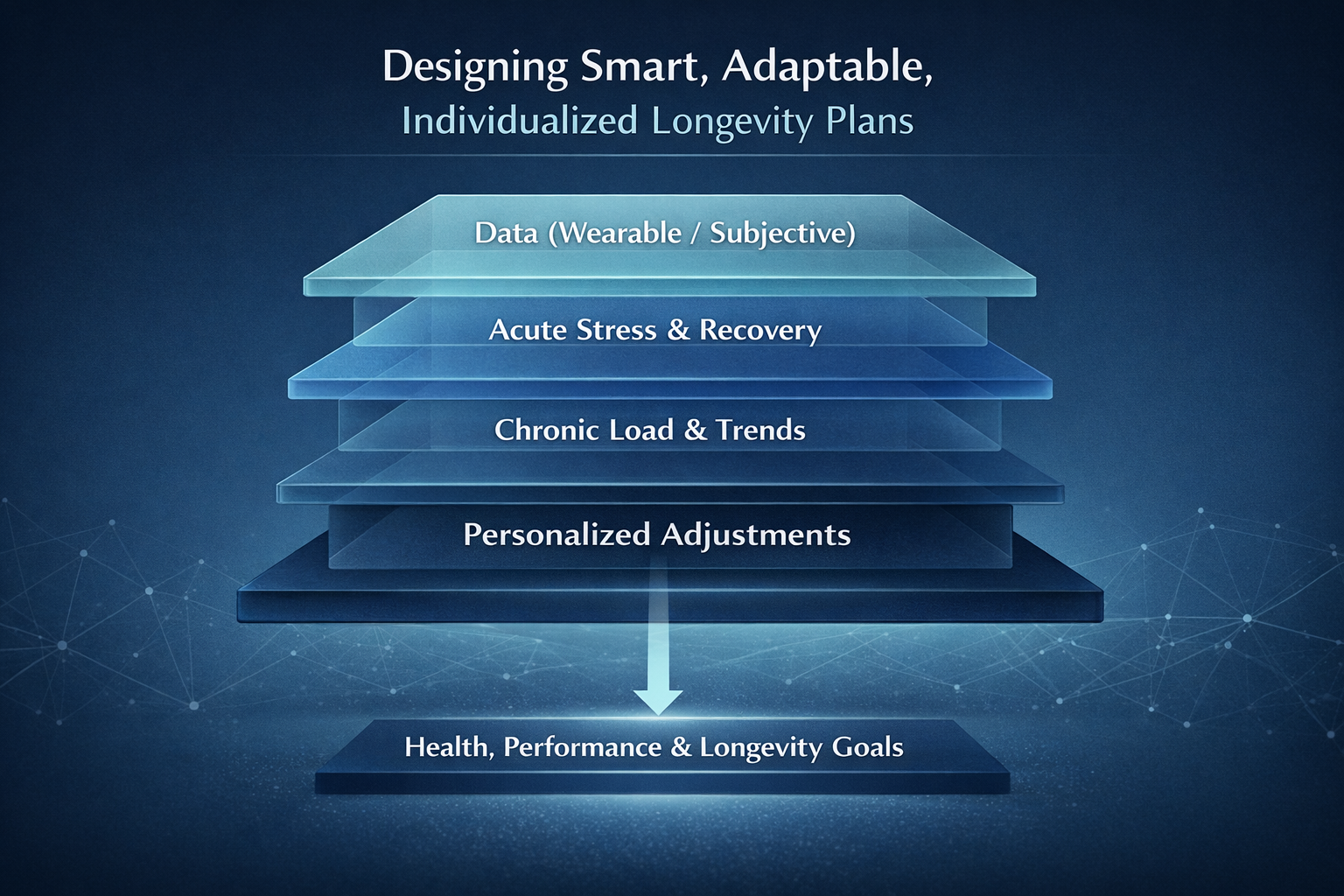
Wearable data and blood work are powerful tools — but only when they change daily decisions. This article explains why most plans fail to use data correctly, how subjective feedback fills the gap, and why short-term health and long-term longevity don’t have to compete.
Most blood tests don’t fail people — static plans do. Labs capture a moment, but health, performance, and longevity are lived every day. When advice isn’t personalized, sequenced, or adjusted in real time, even good data leads to overwhelm instead of progress. This piece explains where most longevity plans quietly break down — and what actually changes outcomes.
Most health, performance, and longevity plans fail quietly when stress, recovery, and life aren’t accounted for. This article explains where progress actually breaks—and why adapting early matters.
Most coaching doesn’t fail in the gym - it fails between sessions. When work stress family stress, poor sleep, and fatigue pile up, static plans stop working. This article explains why real progress and long-term health depend on making the right decisions on the hardest days - not just following a plan on perfect weeks.
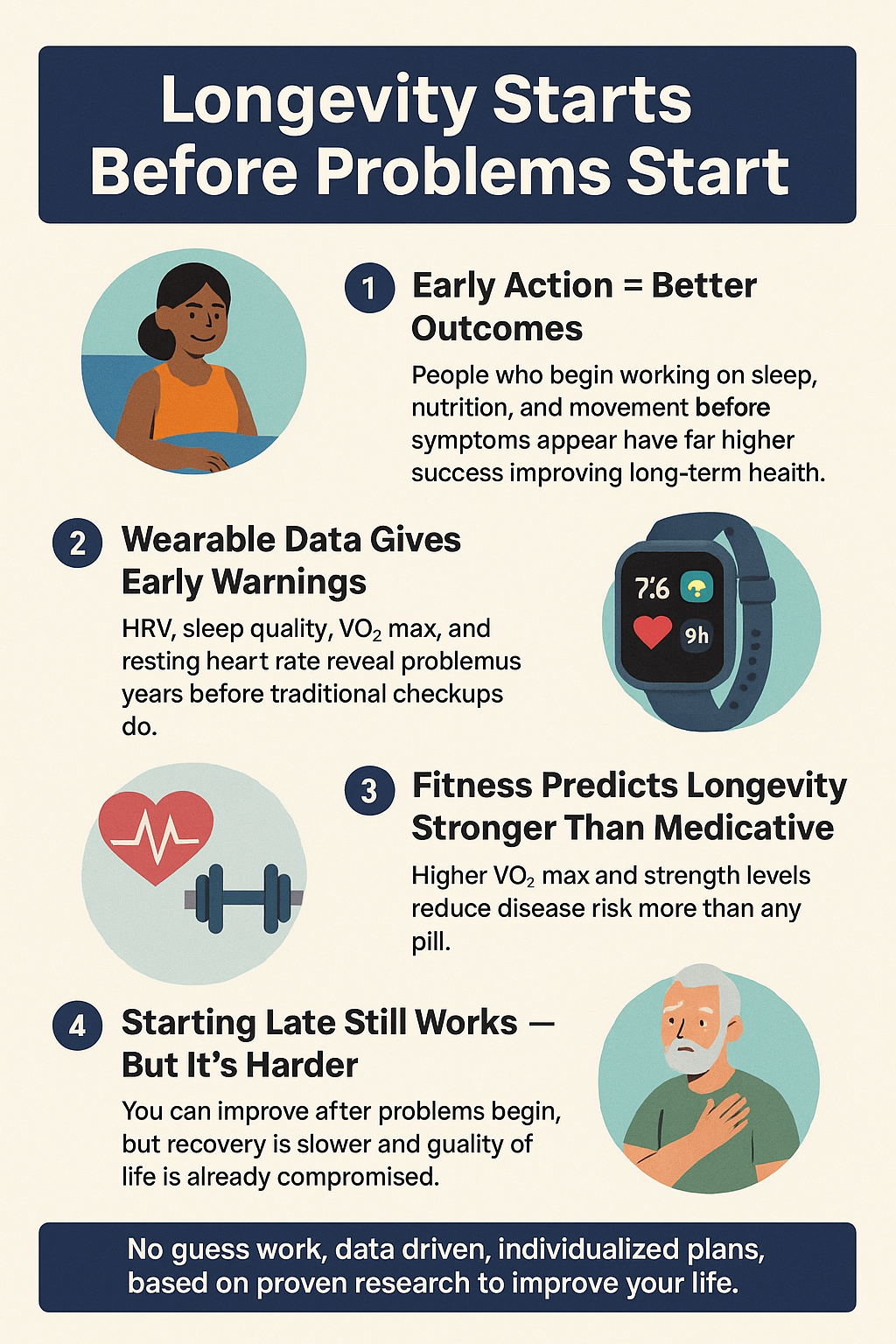
Longevity doesn’t start when problems appear — it starts long before them. This post explains why sleep, nutrition, stress, movement, and wearable data are the real early-warning system for your future health, and how a data-driven, individualized plan can improve your life before symptoms ever show up.
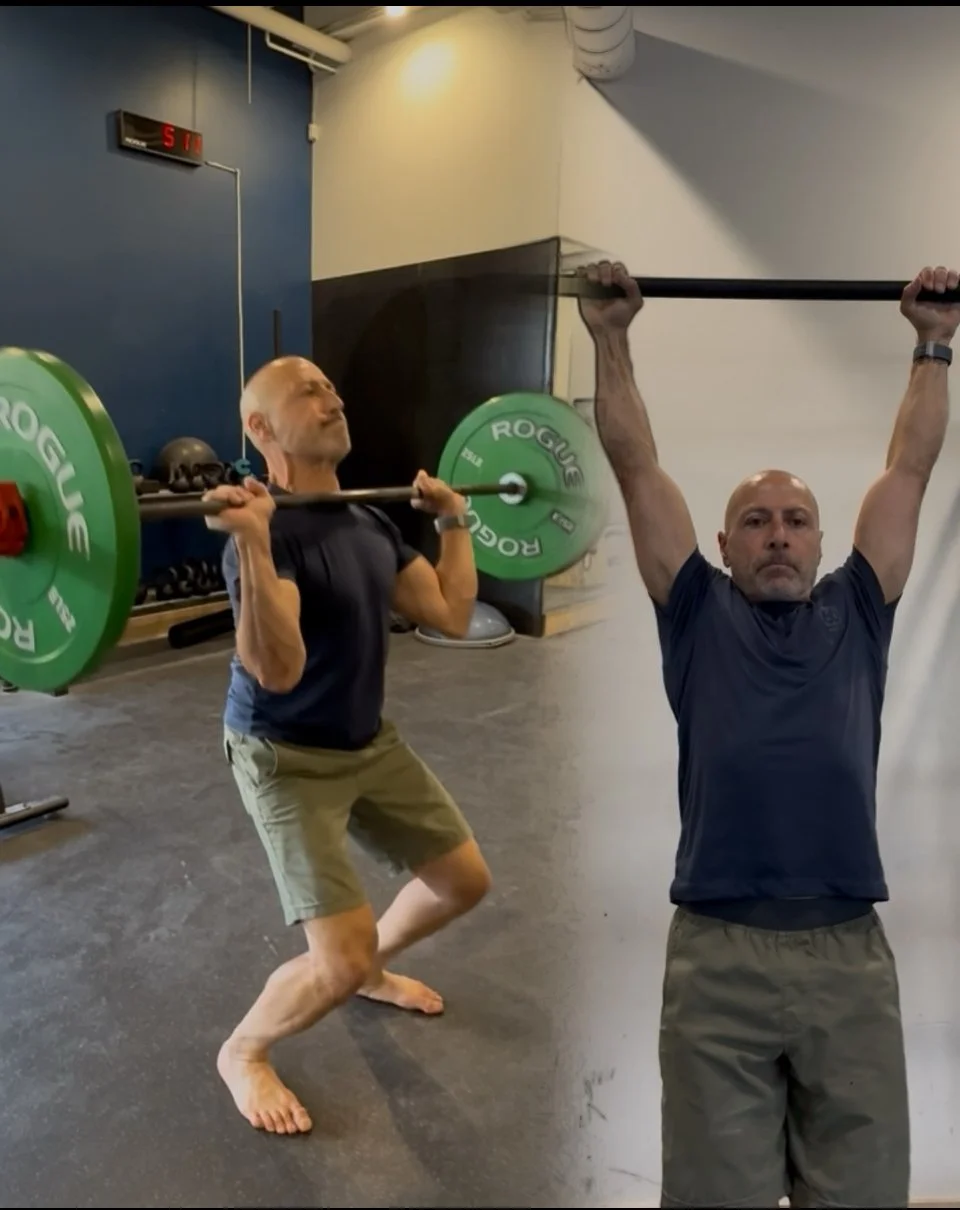
These two exercises train nearly every muscle in the body — building strength, power, and skill for climbers, mountain bikers, motocross or any one who wants to build power.
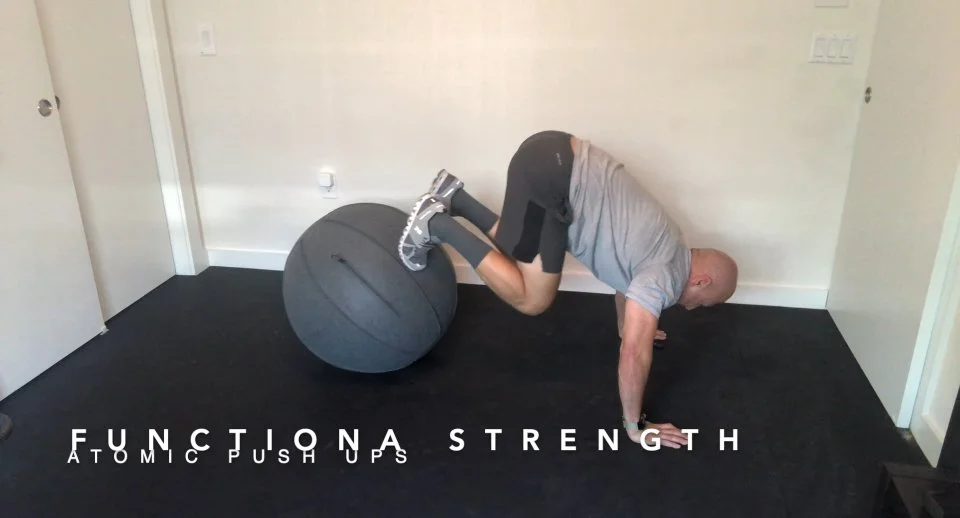
Atomic pushups combine explosive strength and core control into one powerful move. Whether you’re training for performance or just want to stay capable as you age, this full-body exercise helps you move better, build resilience, and train smarter. Learn why it works — and how to do it right.
Fart walking (aka taking short, easy walks after meals) may sound silly — but it’s a simple, research-backed way to improve digestion, regulate blood sugar, and support long-term health.
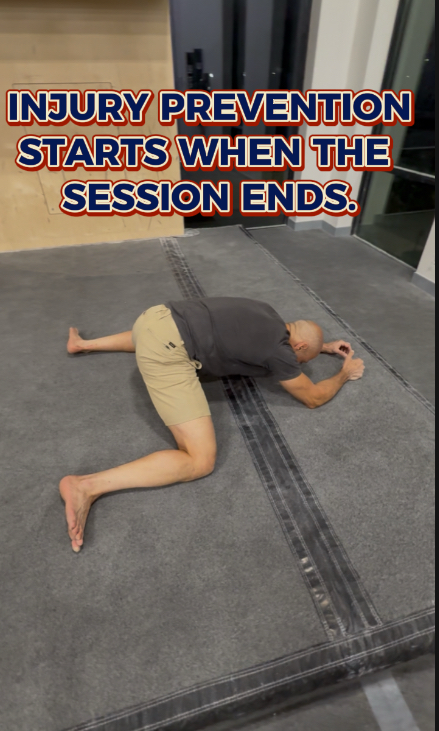
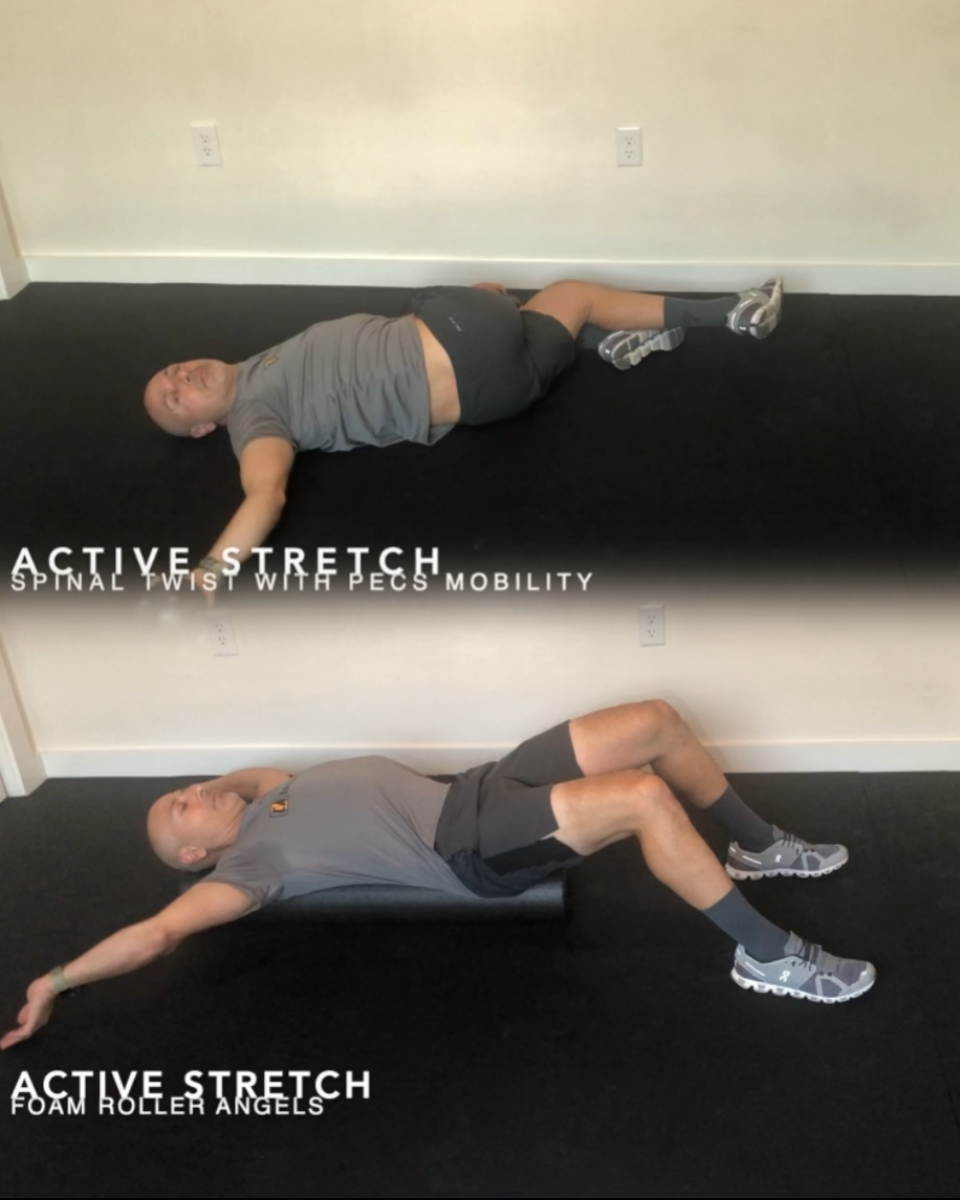
Behind the scenes of my spinal recovery — this post shares the stretches I use daily to reinforce chiropractic care and prevent injury long-term.
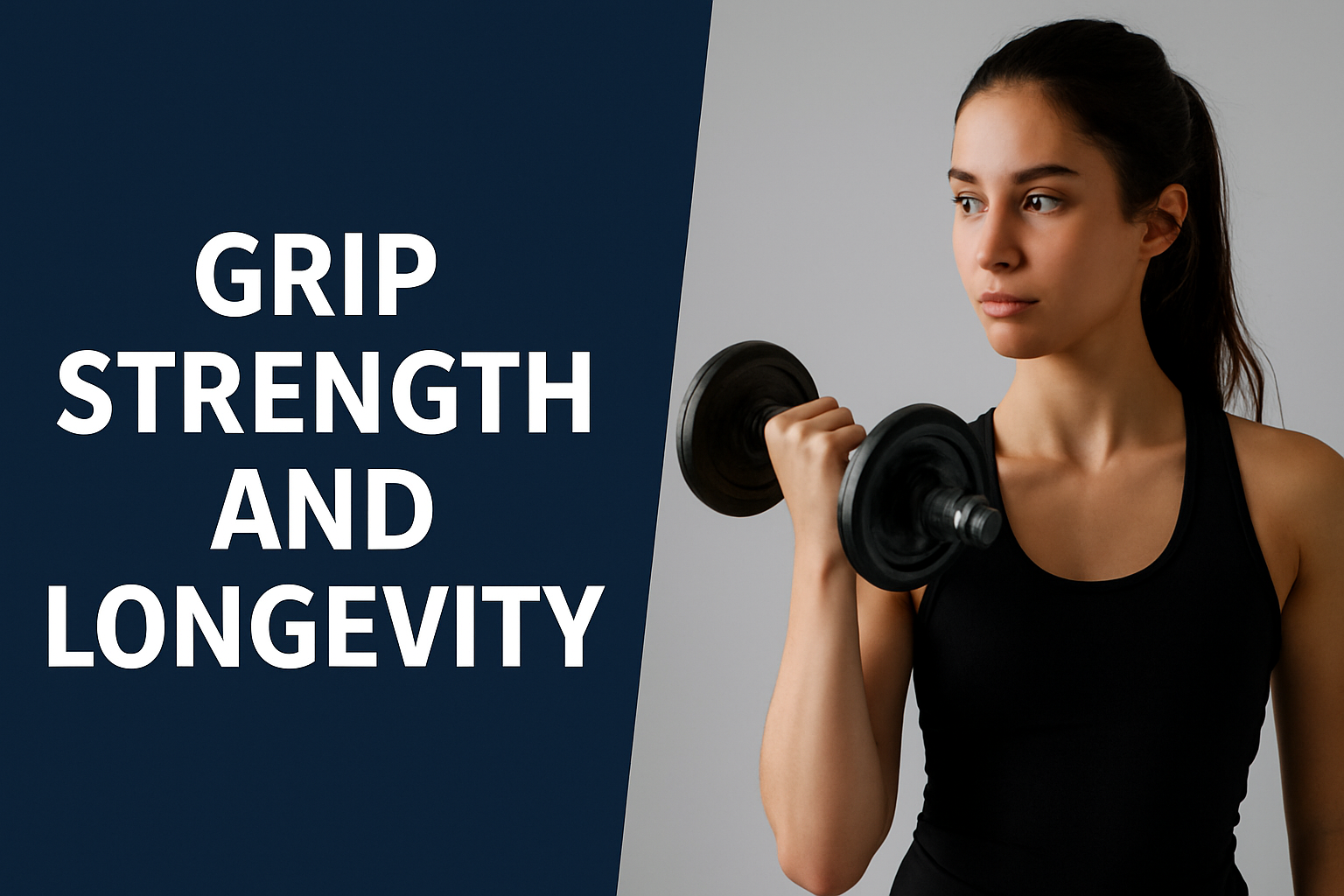
Recent research shows that grip strength is a surprisingly accurate predictor of long-term health and longevity. In this post, we break down what it means, how to test it, and what you can do to improve it — all in just a few minutes a day.
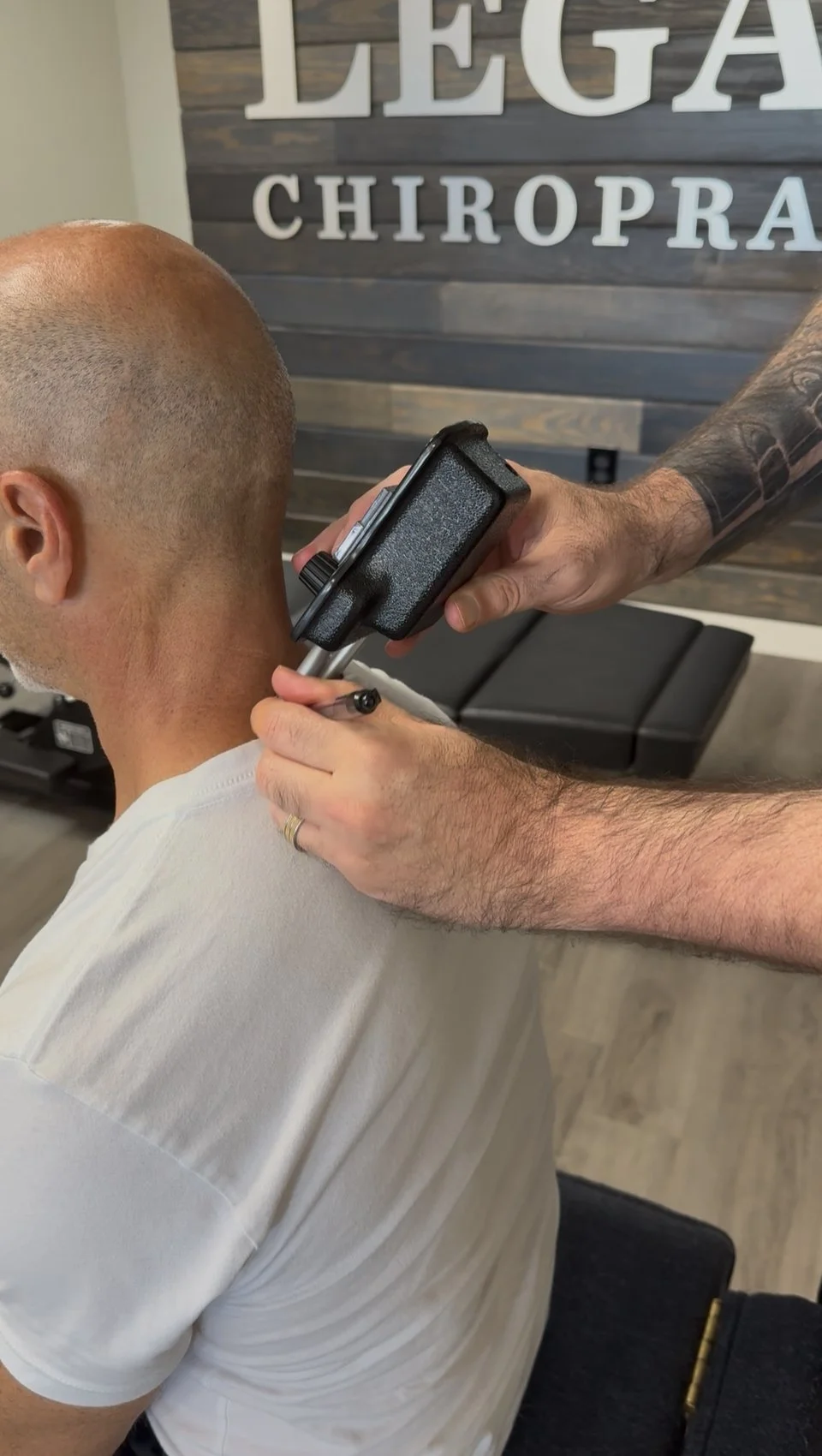
In week 2 of my recovery series, I share how I combine precise chiropractic adjustments with daily functional training to address spinal issues and move better.
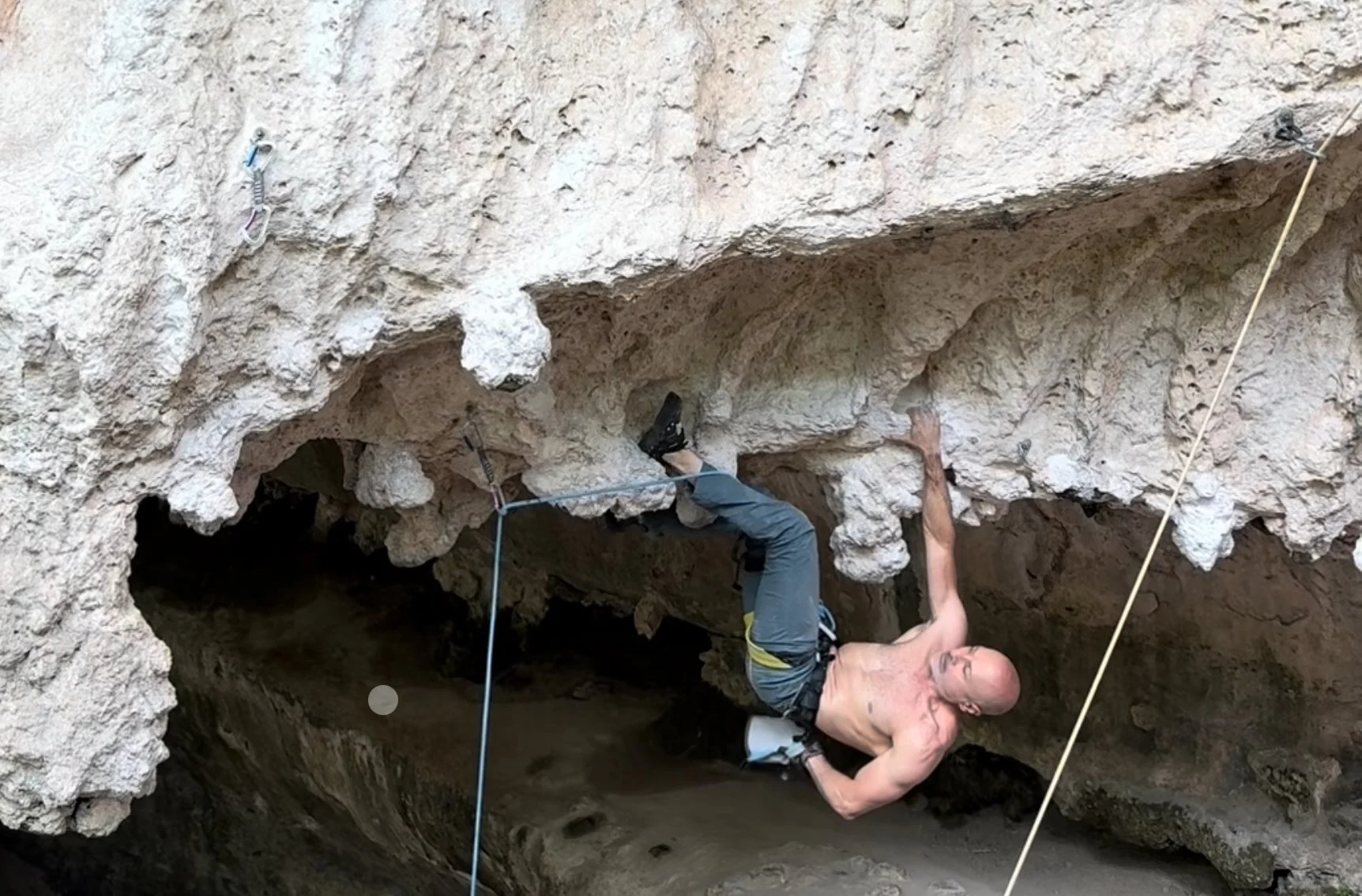
Rock climbing trains your whole body, challenges your mind, and connects you to a powerful community. Here's why it might be the most functional sport you’ve never tried.
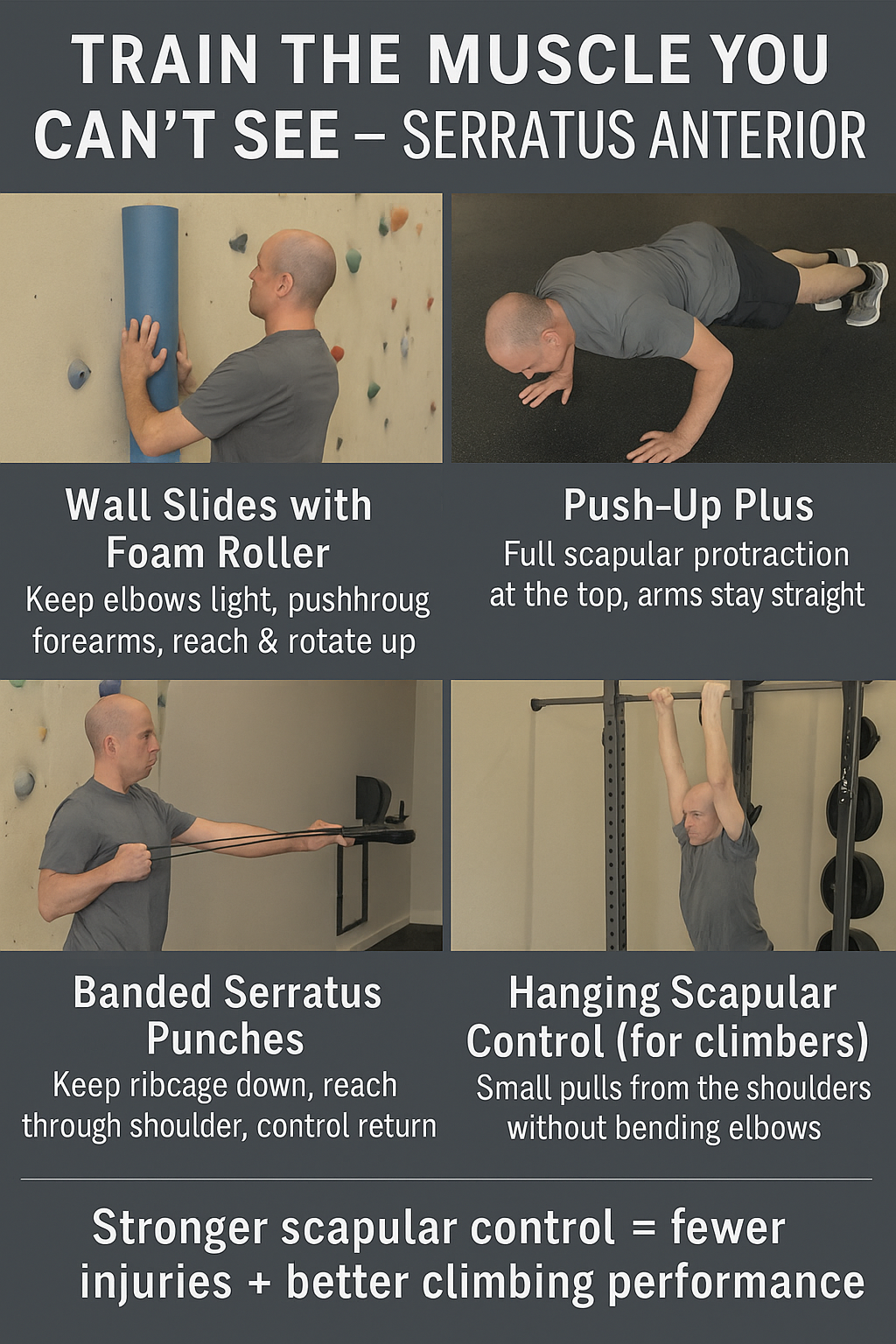
Shoulder pain is common in climbers and athletes, but it often starts with one missing link: the serratus anterior. Learn why this undertrained muscle matters and how to strengthen it with a few key moves.
Most people plan for retirement — but not for the health it takes to enjoy it. Here’s how to build strength, endurance, and mobility now so you can thrive later.
Want to get the most out of your weekend workouts? Here’s how I use Fridays for active recovery, mobility, and preparation—so I can climb, ride, and train hard without burning out.
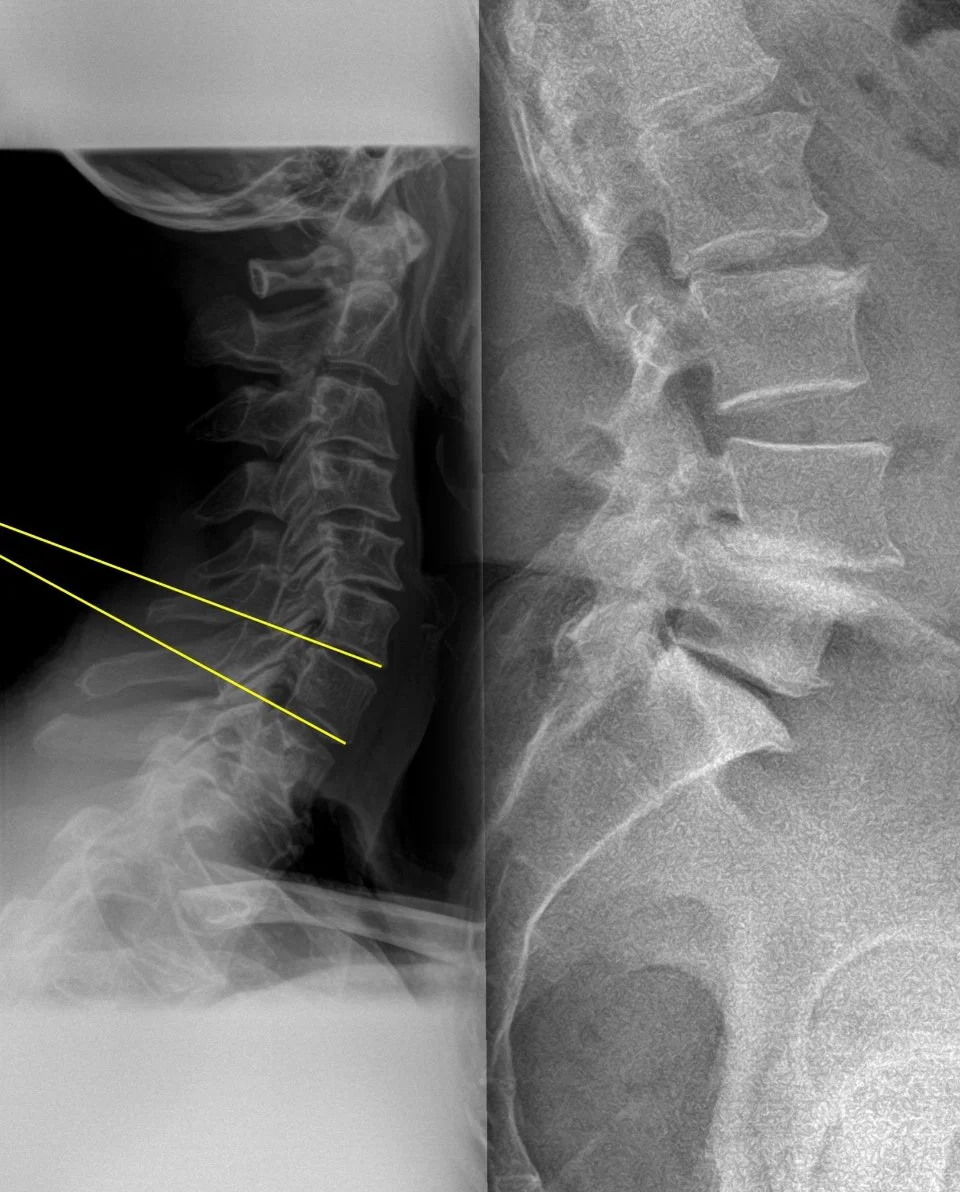
A recent x-ray revealed L4/L5 and C6 issues I never knew I had — likely from an old accident. Now I’m combining chiropractic care, soft tissue work, and smart training to fix it. This post breaks down my recovery plan and how collaboration leads to better outcomes.
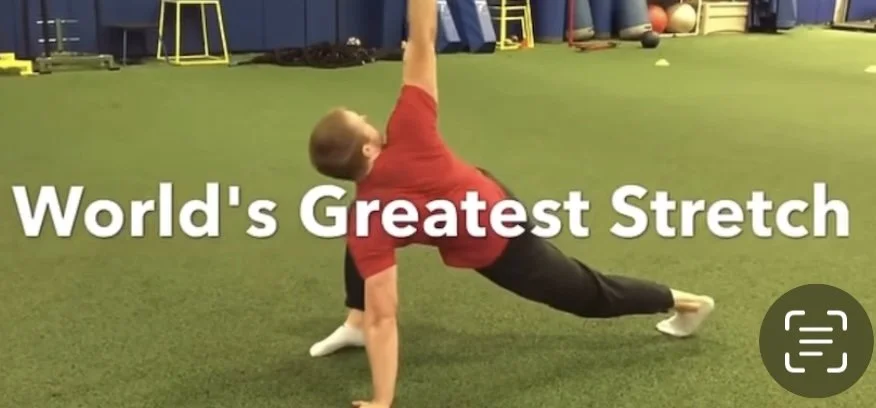
The World’s Greatest Stretch lives up to its name. This one move targets your hips, spine, and core, making it perfect for warmups, mobility work, or recovery. Learn how to do it properly and why it belongs in every smart training program.
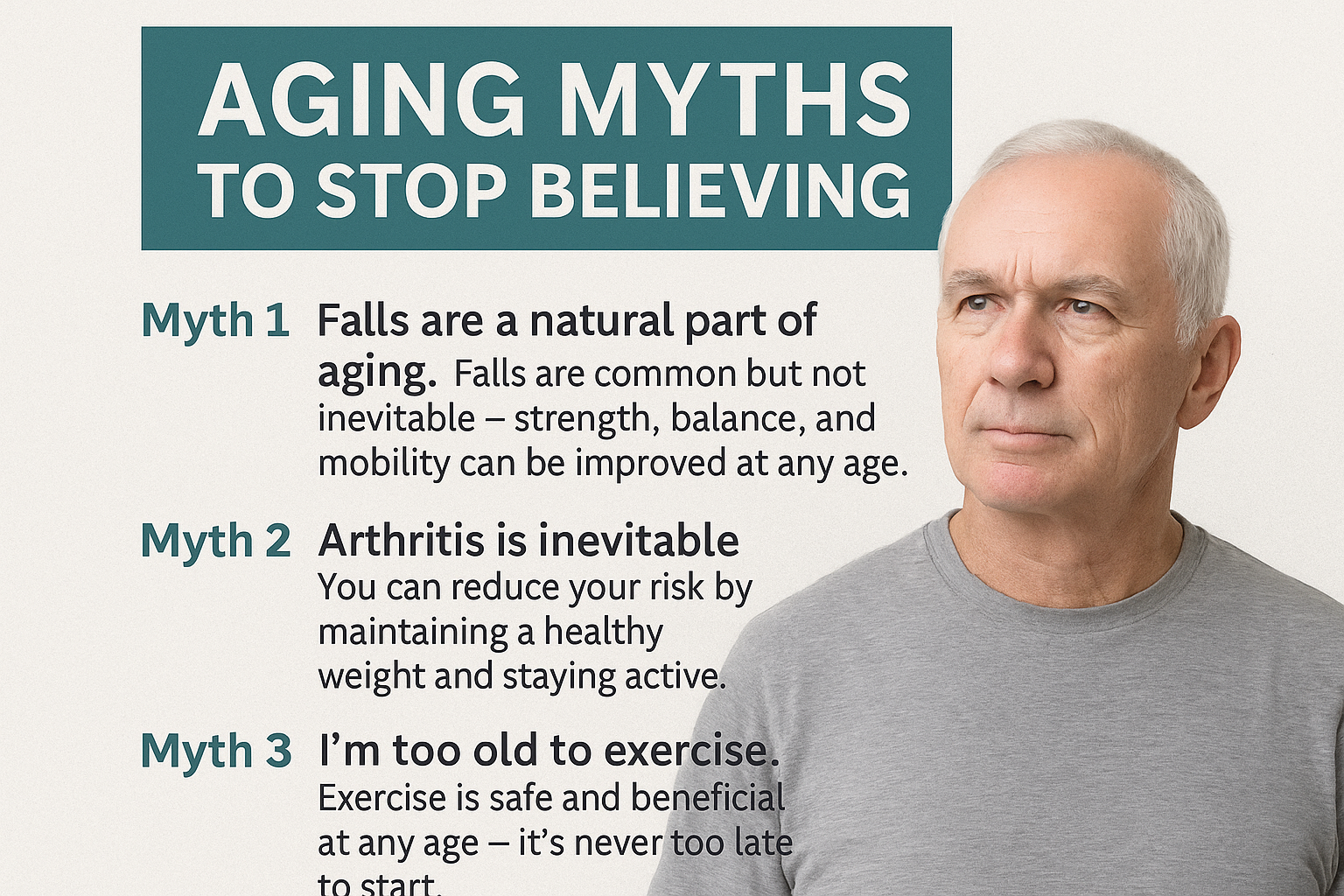
Are you limiting your potential because of outdated myths about aging? Discover what science and real-life success stories reveal about staying strong, mobile, and injury-free after 50.