
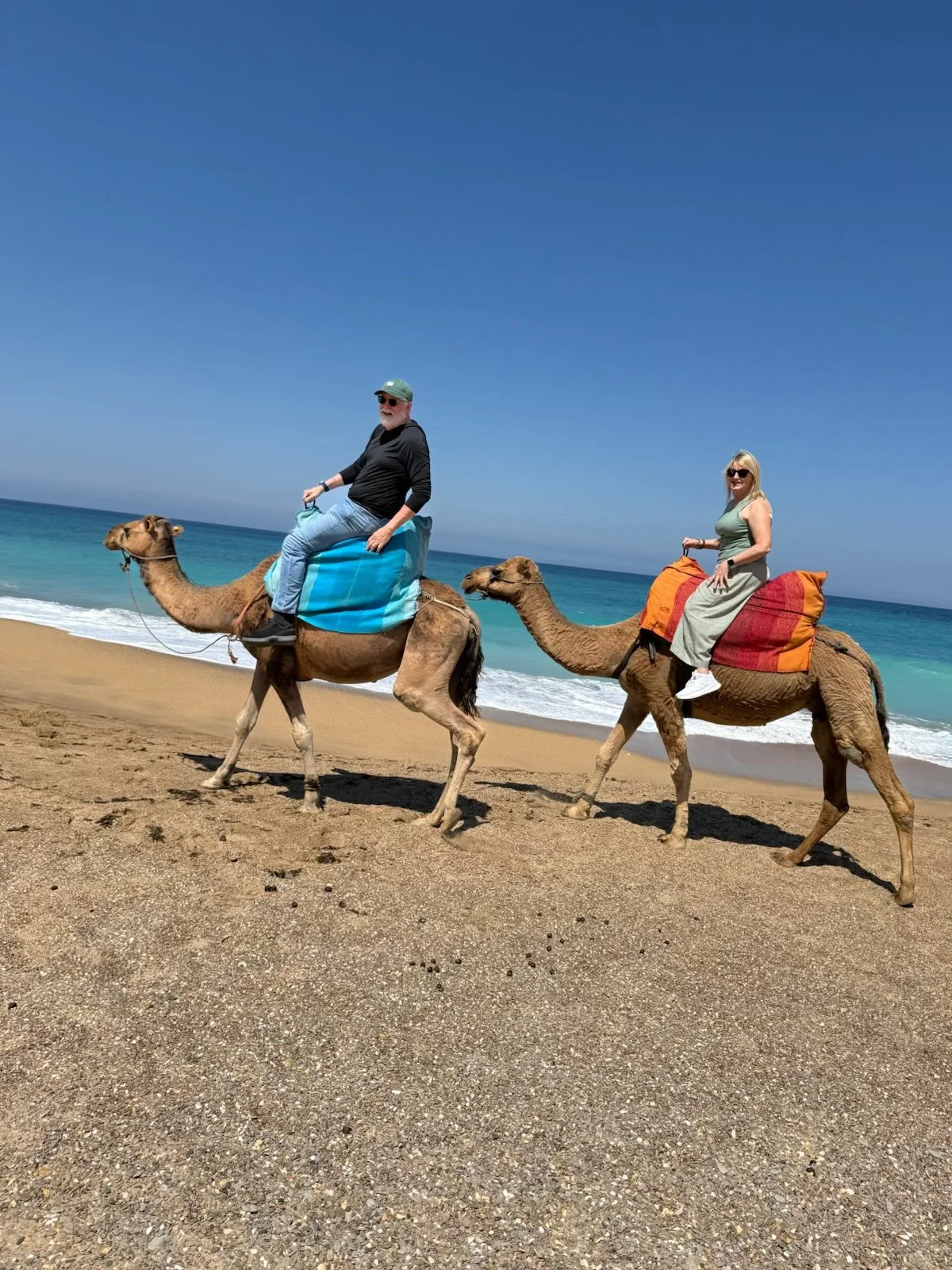
This is a follow-up to the blog I wrote about Steve, his training, and the real-life test of that training, which unfolded during his recent journey through southern Spain and Morocco.
I am also getting back to writing my blogs again after a great trip of my own, and I am hoping this is the start of getting back into my rhythm, because I have a lot of stories, ideas, and real-life examples I want to share.
If you haven’t read that first chapter yet, you can get caught up on his backstory here: From Bill to Steve and What Comes Next.
When I wrote that first post, Steve had not yet boarded his flight. We were still in that anticipatory phase where the work had been put in, the plan had been built around him, and he had just finished a targeted six-week training block. But the gym is still only one part of the process. Real life was about to give us the only metric that really matters: did it actually work?
That is always the threshold that matters most to me, because I do not care how good a program looks on paper if that work does not translate into giving someone more access to the life they want to live.
For Steve, this question was not abstract.
Steve lives with Charcot-Marie-Tooth disease, or CMT, a genetic condition that damages peripheral nerves and weakens the signals traveling between the brain and muscles. That means everyday mechanics like balance, foot control, and sustained endurance require more effort and attention. On an ambitious international trip, things like airport transfers, staircases, uneven streets, and cobblestones are not small travel details. They can determine whether someone fully participates or spends the day calculating how much their body can tolerate.
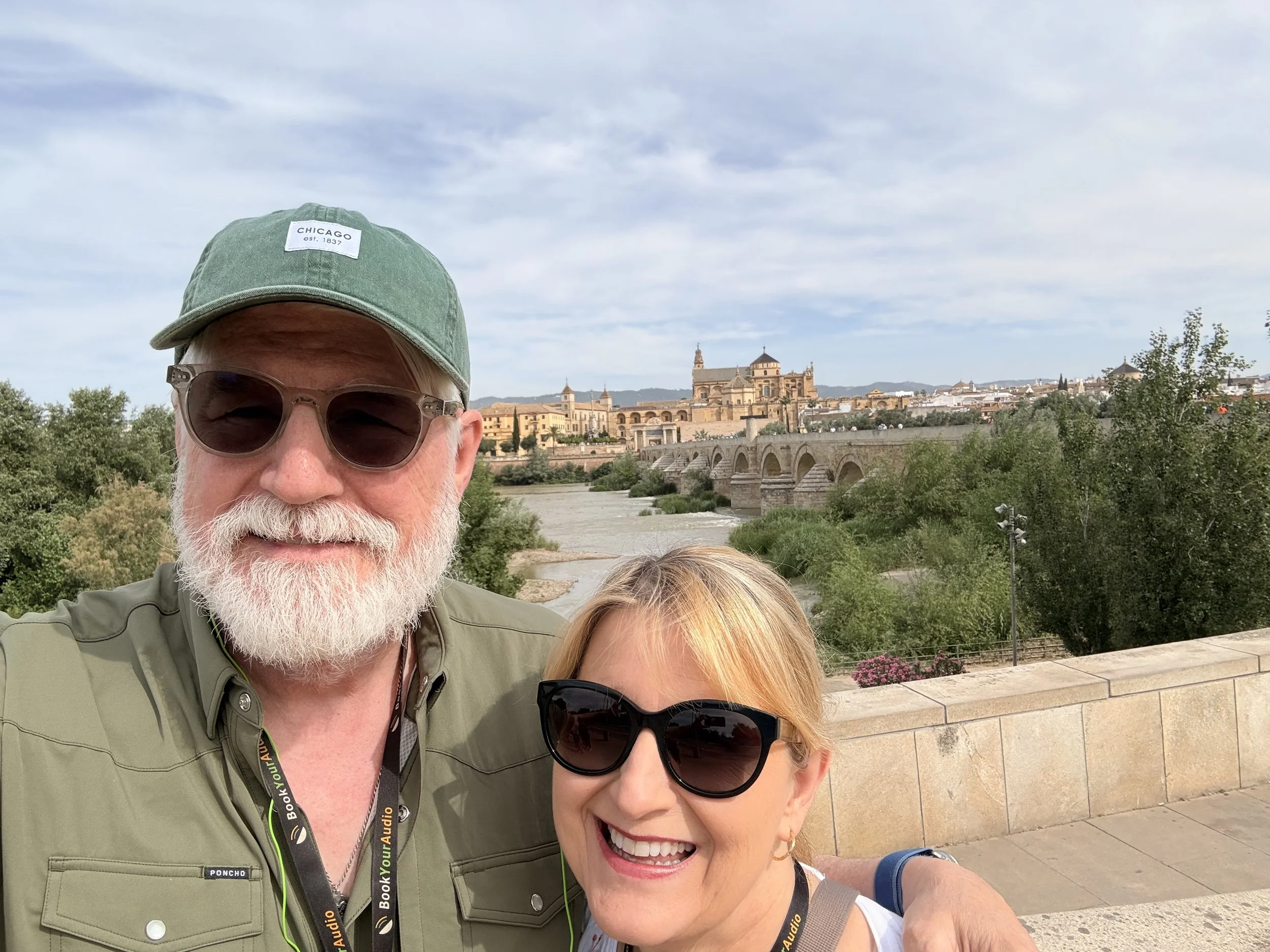
Caption suggestion: Getting ready to explore — building the physical margin to say yes to every adventure.
Before we started preparing for this trip, Steve had valid concerns about his feet, his stability, and whether fatigue or pain would take away parts of the experience he had been looking forward to. The itinerary included places he really wanted to see, including the Alhambra, and that created both excitement and anxiety because wanting to see the world and trusting your legs to carry you through it are not the same thing.
That was his baseline in a practical sense.
He was active, motivated, and willing to do the work, but he was also dealing with a condition that made the normal demands of travel much harder. A long airport day was not just a long airport day. Uneven streets were not just uneven streets. Stairs were not just stairs. Cobblestones were not just part of the charm of an old city. They were physical demands that had to be respected.
So the goal was not to turn Steve into someone else.
The goal was to build enough capacity, control, and confidence so that his body had more margin when the trip happened.
In the weeks leading up to his departure, the work we did was not about beating him up or chasing exhaustion. His training program was based on assessment, daily intake, observation, the latest research I could apply to his situation, and my experience seeing how his body actually responded. That is what I mean when I talk about prescription-level exercise and lifestyle programming. It is not a generic plan handed to someone and left unchanged. It is individualized, data-informed, research-guided, and flexible enough to adapt to daily life, because even a well-designed plan is not useful if it cannot adjust when sleep, stress, pain, travel, fatigue, or real life shows up.
For Steve, that meant intentional workouts that paired strength work with programmed Zone 1 and Zone 2 cardio to build his conditioning and capacity without burying him in fatigue.
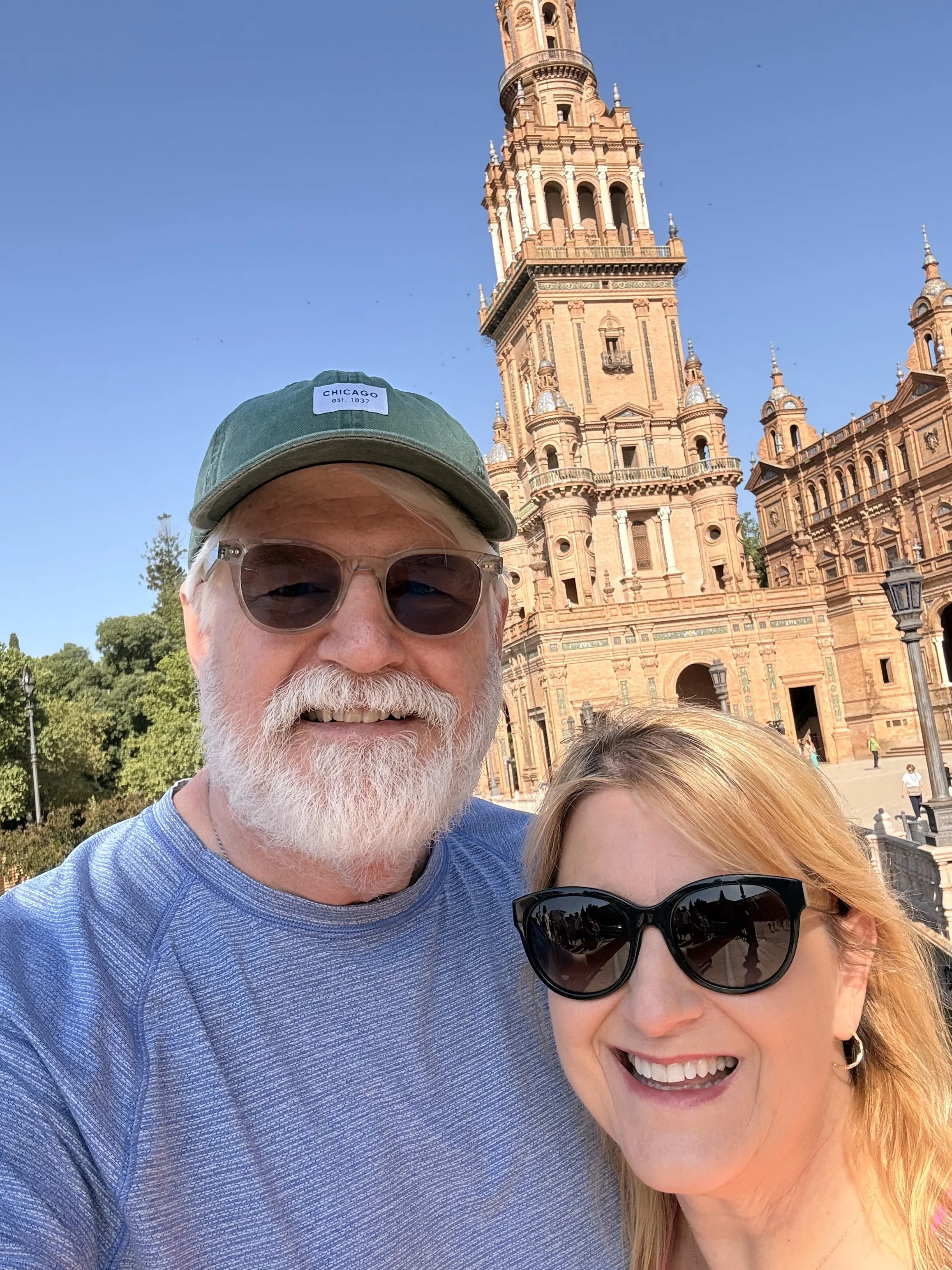
This is the core of how I think about training for longevity.
It is rarely about chasing a transformation picture or hitting a specific number on a barbell. It is about using movement to protect freedom. It is about maintaining the ability to walk through an old city with people you love, move through an airport without constantly looking for the easiest way out, climb to a viewpoint without hesitation, and recover well enough to do it again the next day.
When physical capacity declines, the world starts to shrink around what the body can tolerate. When capacity improves, movement gives more of that world back.
Steve passed that real-world test.
Throughout the journey, his fitness tracker regularly went past 10,000 steps. One of the biggest days was a 16,000-step day at the Alhambra, where he handled steep hills, staircases, long walking, and uneven surfaces.
There was one day where the terrain tested him, which makes sense when balance and foot control are part of the daily picture. But the important part is that it did not become a trip-ending setback. There was no dangerous fall and no flare-up that took over the experience.
One of my favorite parts of the trip was watching his relationship with his trekking poles change. We had included them as a safety net to provide extra stability, and that was the right decision. But as the miles added up and his confidence grew, those poles gradually shifted from something that felt necessary into something optional
That subtle shift says a lot.
It represents more options, more confidence, and more personal agency.
The truth of Steve’s story is that even while navigating the realities of a progressive condition, he built enough physical capacity to claim a bucket-list experience. He prepared. He stayed consistent. He adapted. And the work transferred into real life when it mattered.
He did not just come home with pictures of beautiful places. He came home with evidence that the hours he invested in training gave him more freedom in his life.
To me, that is longevity.
Longevity is not just about adding years. It is about protecting capability so you can keep participating in the things that give life meaning, without letting age, diagnosis, pain, or fear shrink your world sooner than it has to.
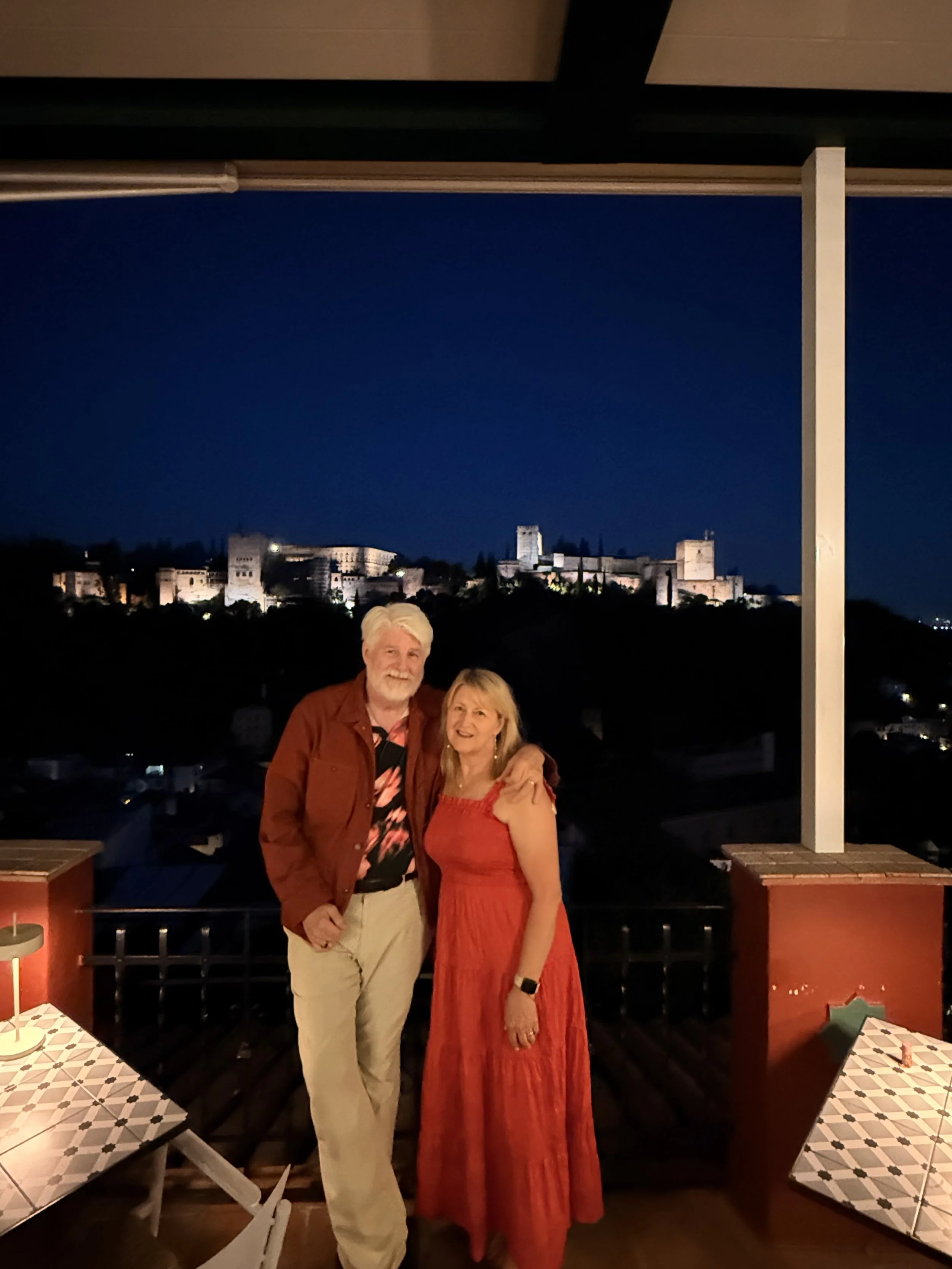
Looking ahead, our parameters are only getting bigger and bolder.
Steve is stepping into full retirement this August, and we are already talking about the physical blueprint for a multi-week, cross-country motorcycle expedition designed to take his hard-earned fitness out onto the open highway and put it to the next real-life test. On top of that, he is picking up his pen to write more, and we have been brainstorming ways to collaborate so we can bring the latest longevity and health research to you and show how it actually applies to real life.
The world isn’t done getting bigger for Steve.
Stay tuned for the next update as he takes his training on the road.